
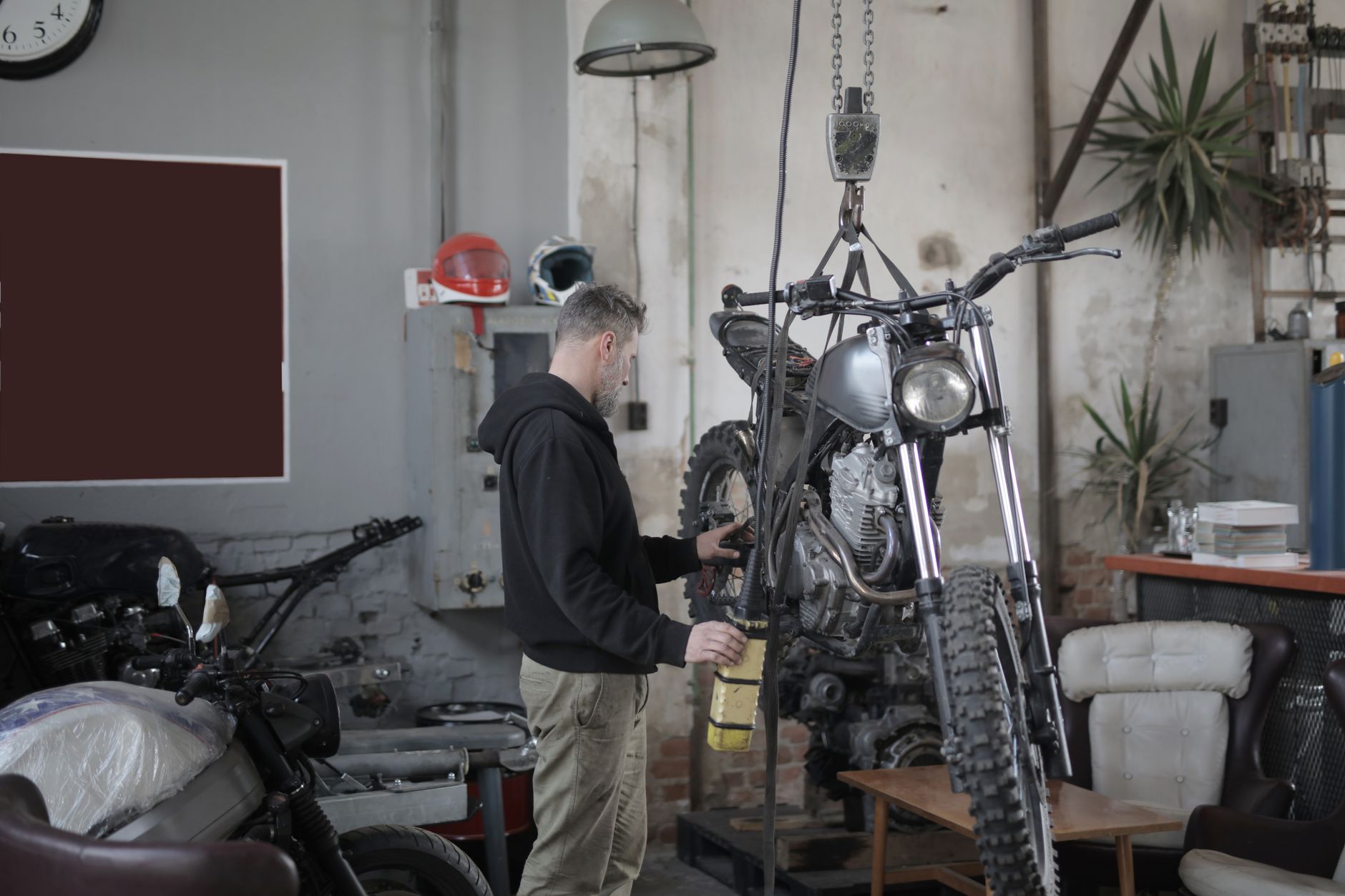
A bike does not need to stop working before it needs attention. Changes in how it shifts, brakes, or feels on the road can point to small issues that are easier to address early. Some checks, like looking at tire pressure, are simple to do at home. Others call for a mechanic, especially when a part is worn, damaged, or affecting control. Here are practical signs that routine service may help your bike ride more smoothly and safely.
Listen for new noises
A new click, squeak, or grinding sound is worth noticing, especially if it happens repeatedly while pedaling or braking. First, check for obvious causes such as a loose bottle cage, a rubbing fender, or debris caught near a wheel. If the sound continues, its timing can help a mechanic narrow down the source: note whether it occurs with each pedal stroke, during a gear change, or only when you use the brakes.
Avoid assuming that a noisy chain only needs more lubricant. A chain that is dirty, dry, worn, or poorly adjusted can all make noise, and excess lubricant can attract grit. Wipe the chain clean and apply bicycle-specific chain lubricant according to its instructions. If noise remains, or you hear grinding near the wheel, crank, or brakes, have the bike checked before the problem worsens.
Check shifting and braking
Shifting should feel reasonably direct, without repeated hesitation, skipping, or the chain jumping between gears. If changes have become unreliable, look for a visibly dirty chain or a cable that appears loose or damaged. Do not keep forcing the shifter when the chain skips under pressure; that can make a ride unpredictable. Persistent trouble may come from cable adjustment, worn drivetrain parts, or another issue that needs proper inspection.
Brakes need attention if the levers feel unusually soft, pull close to the handlebar, or require more effort than usual. Listen for persistent rubbing or harsh scraping, and check whether the pads appear worn or misaligned. Brake systems vary, so follow your bike maker’s guidance rather than adjusting unfamiliar parts by guesswork. If stopping feels weak or inconsistent, pause riding and arrange service before heading back onto busy streets.
Notice changes in handling
A bike that suddenly pulls to one side, wobbles, or feels less stable deserves a closer look. Check that both tires look properly seated and have suitable pressure, using the range printed on the tire as a guide. Also look for cuts, bulges, embedded glass, or a wheel that visibly shifts as it turns. These checks can reveal a concern, but they do not replace a mechanic’s assessment if the bike still handles oddly.
Pay attention to discomfort or movement that is new, too. A saddle or handlebar that shifts, a loose-feeling pedal, or a clunk from the frame area can affect control. Stop and inspect only what you can check safely; do not ride if a wheel, handlebar, or other key part seems loose. Have a shop examine the bike, particularly after a crash, a hard impact, or storage that may have damaged a component.
Use a simple service routine
Make a brief check before rides: squeeze each tire, test both brakes, look for obvious damage, and confirm that wheels and accessories are secure. Keep the chain reasonably clean and lubricated, and wipe away excess lubricant. These habits can help you spot changes early, but they are not a substitute for checking wear on parts such as brake pads, tires, and the chain.
How often a bike needs professional service depends on how much and where you ride, the weather, storage, and the bike’s condition. Frequent wet or dusty rides can call for more cleaning and closer checks. Arrange an inspection if you notice a persistent problem, have not had the bike checked in a long time, or are unsure whether a part is safe. Mention the symptoms and when they occur to help the mechanic diagnose them.
New noises, unreliable shifting, weak brakes, or unfamiliar handling are useful prompts to inspect your bike and decide whether it needs service. Simple checks can catch visible issues, while persistent or safety-related problems deserve a mechanic’s attention. If you are unsure what a change means, North Loop Cycles in Minneapolis can help assess your bike and recommend a practical next step.